Safety is one of the most important signs of a well-run construction project. While clients often focus on cost, schedule, and finished results, the way a contractor handles safety says a lot about how the entire project will be managed.
For commercial, municipal, industrial, and institutional projects, construction may take place near employees, customers, visitors, students, tenants, or active operations. That means safety is not only a concern for the crew. It also affects the people who use the property every day.
Before hiring a general contractor, clients should understand what responsible safety practices look like and what questions are worth asking.
A Clear Plan Before Work Begins
A safe project starts before equipment, materials, and crews arrive on site. The contractor should understand the property, the type of work being performed, and any conditions that could create added risk.
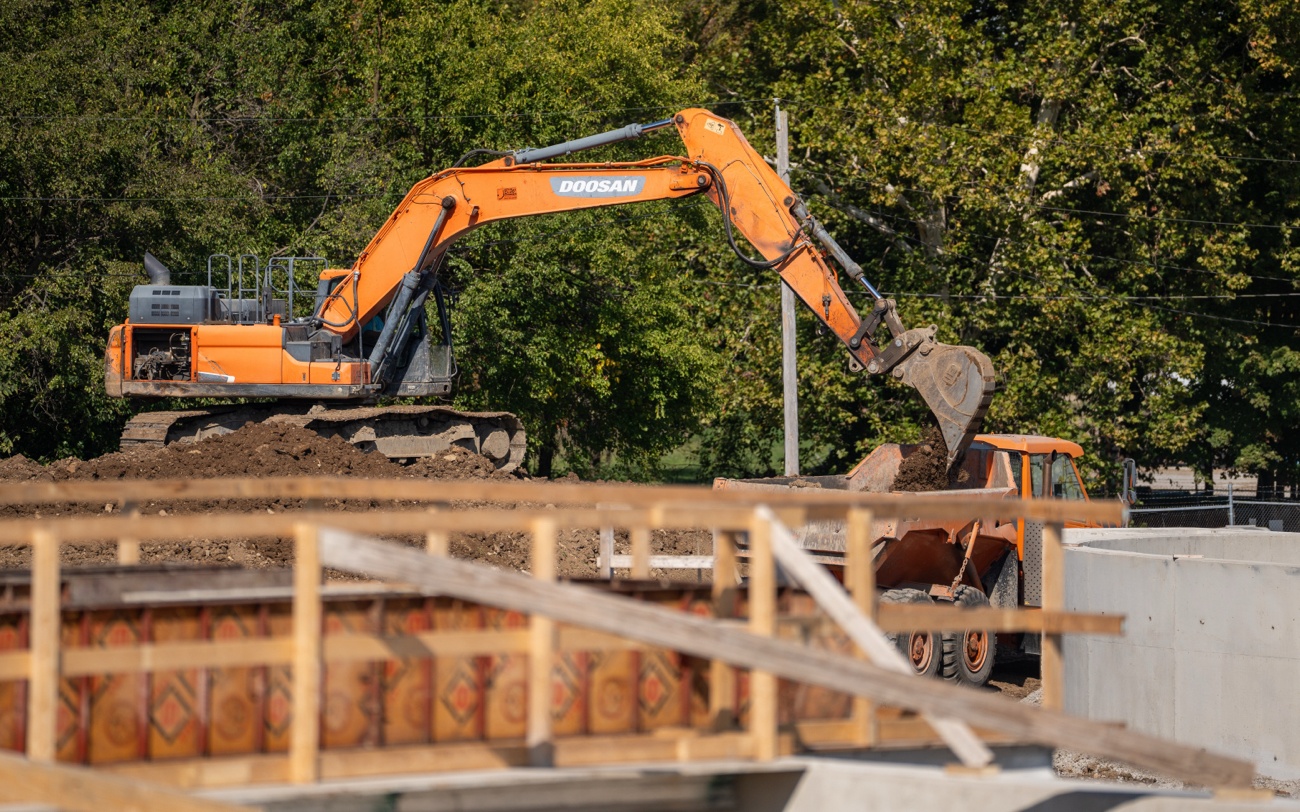
That may include entrances, parking areas, pedestrian traffic, delivery zones, nearby utilities, active workspaces, and areas that need to remain open during construction. These details help shape how the jobsite will be set up and controlled.
Clients should expect the contractor to talk through how the work will affect normal operations. If a facility needs to stay open, that should be part of the plan from the beginning.
Controlled Access to the Work Area
One of the most visible signs of a safe job site is controlled access. People who do not need to be in the construction area should be kept out of it.
Depending on the project, this may involve fencing, barriers, signage, locked access points, cones, temporary walkways, or clear instructions for employees and visitors. The goal is simple: separate the work from the people who are not part of it.
This is especially important for schools, public buildings, offices, healthcare facilities, manufacturing sites, and other properties where daily activity continues during construction.
Clean and Organized Jobsite Conditions
A clean jobsite is not just about appearance. It helps reduce risk.
Materials should be stored properly. Walkways should stay clear. Tools and equipment should not be left where they create hazards. Debris should be managed throughout the project instead of becoming a larger issue later.
Clients can learn a lot by paying attention to how a contractor keeps the site. An organized site usually points to stronger planning, better supervision, and more respect for the property.
Proper Equipment and Protective Gear
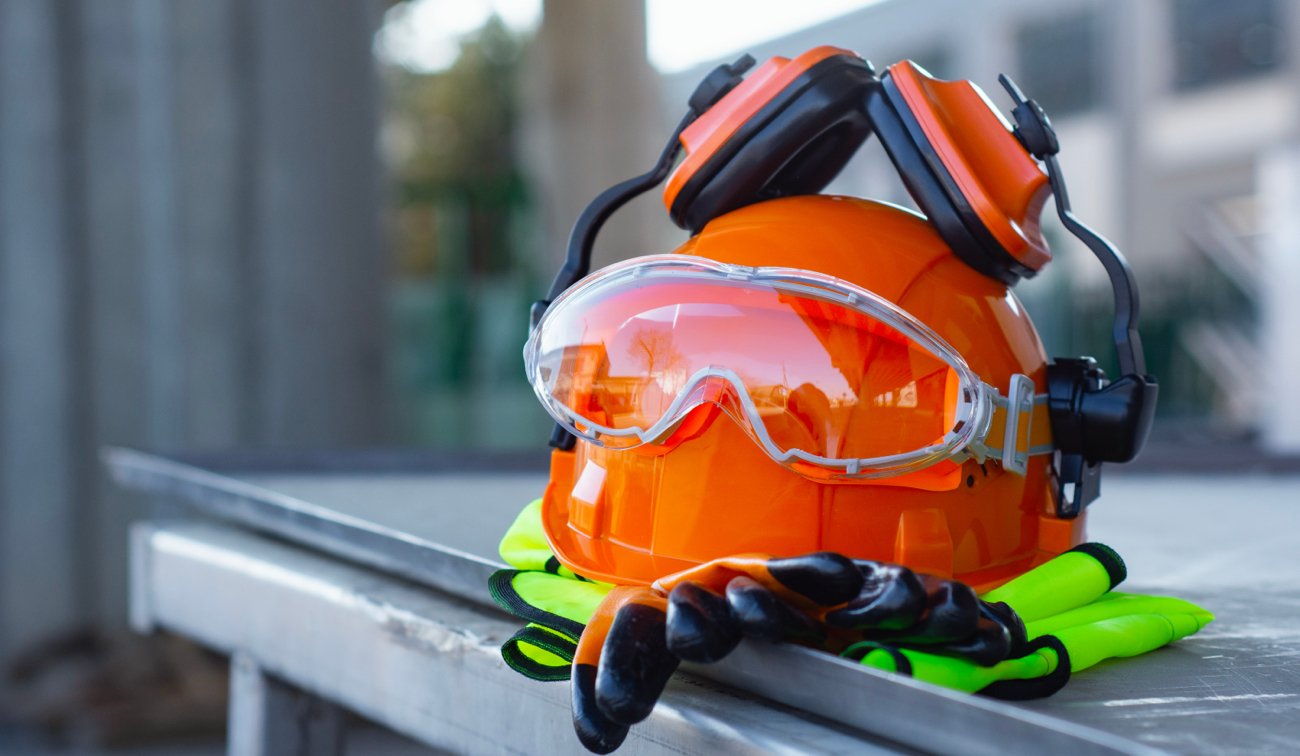
The contractor should have the right equipment for the work to be completed. Crews should also use the proper protective gear for the conditions on site.
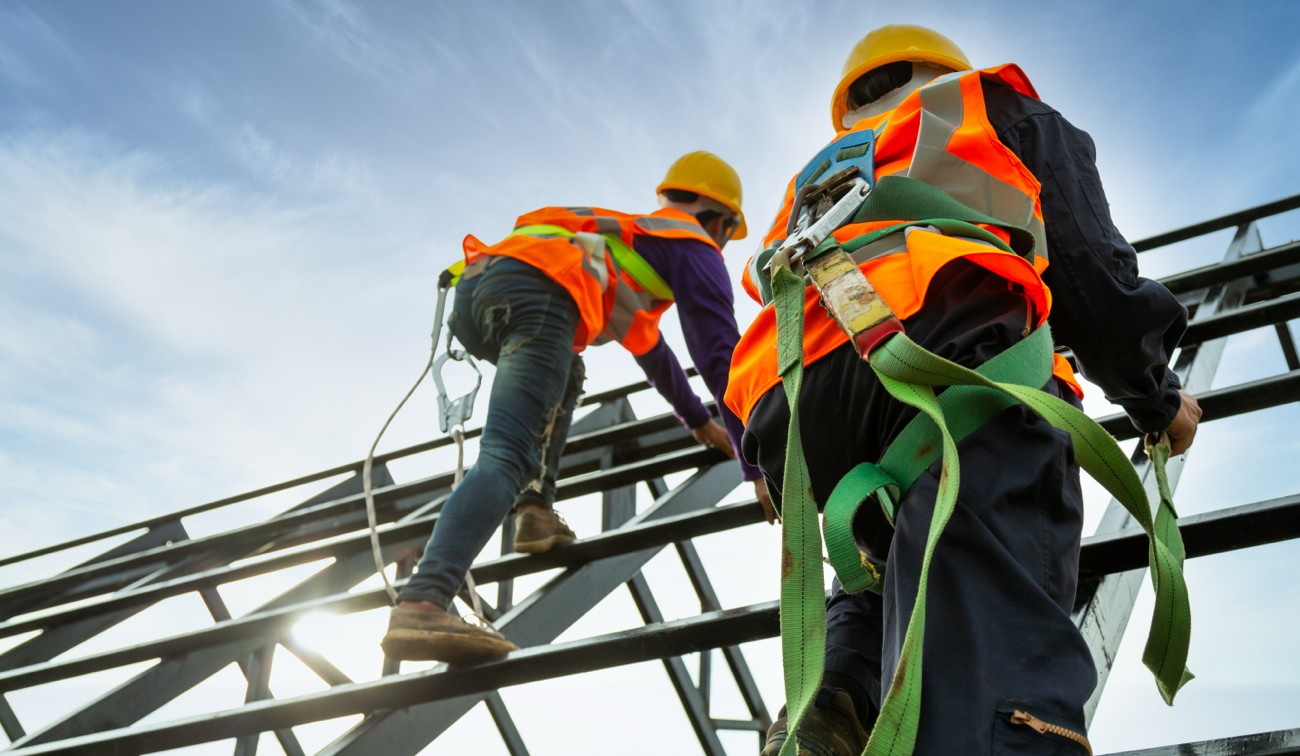
This may include hard hats, eye protection, gloves, high visibility clothing, fall protection, hearing protection, respirators, or other equipment depending on the project. The exact needs will vary, but the standard should not.
Safe work requires the right tools, the right gear, and people who know how to use both correctly.
Communication That Keeps People Informed
Good safety practices depend on clear communication. Clients should know what areas are active, what access points may change, when disruptive work is expected, and who to contact with questions.
For projects in active facilities, communication becomes even more important. Employees, staff, tenants, and visitors may need to know where they can park, enter, walk, or avoid during certain phases of the project.
A contractor should not leave the client guessing. Regular updates help prevent confusion and keep everyone better prepared.
Subcontractors Should Follow the Same Standards
Many projects involve more than one trade. Electricians, plumbers, concrete crews, steel crews, painters, floor crews, and other subcontractors may all be working on site at different times.
The general contractor should make sure everyone understands the expectations for the jobsite. Safety standards should not change from one crew to the next.
Strong coordination helps prevent crowded work areas, scheduling conflicts, unclear responsibilities, and unnecessary risk. When subcontractors are managed properly, the project runs with better control.
Safety Should Be Documented
Clients do not need to see every internal safety document, but they should feel confident that the contractor has a system in place. Depending on the project, that may include safety meetings, site inspections, equipment checks, incident procedures, subcontractor requirements, and written communication about changing site conditions.
Documentation helps create accountability. It also shows that safety is being treated as part of the project process, not something handled only when there is a problem.
Experience Matters
Every construction project has different safety concerns. Renovating an active school is different from building a new warehouse. Work inside a manufacturing facility is different from work at a municipal building.
That is why experienced matters. A contractor that has worked on similar projects will be better prepared to understand the risks, communicate with the right people, and keep the site under control.
Clients should ask about past projects that are similar in size, setting, and complexity. The contractors’ answers can help show whether they are ready for the job.
Choosing a Contractor That Takes Safety Seriously
Safety should never feel separate from the rest of the project. It is connected to planning, scheduling, communication, quality, and trust.
At James S. Jackson Company, we understand the responsibility that comes with working on commercial, industrial, municipal, and institutional projects throughout Northeast Indiana. Our team brings more than 75 years of construction experience to every project, with a focus on careful planning, clear communication, and dependable project management.
We also understand that many projects take place in occupied spaces where daily operations need to continue. Our team takes pride in working quickly and efficiently while minimizing disruption to employees, customers, visitors, and the people who rely on your facility each day.
When you are choosing a general contractor, safety should be part of the conversation from the start. Contact us to talk about your upcoming project.