Choosing the right general contractor is one of the most important decisions you will make before starting a construction project. The contractor you select will affect the schedule, budget, communication, safety, subcontractor coordination, and overall quality of the finished space.
For businesses, municipalities, institutions, and industrial operations in Northeast Indiana, the right partner needs more than basic construction knowledge. You need a team that can manage the details, understand the local market, and take responsibility for the construction phase from start to finish.
A strong general contractor does more than build. They help organize the project, reduce risk, protect safety, coordinate the right people, and keep the work moving with accountability. Before you make your decision, here are the key qualities to look for.
Start With Proven Experience
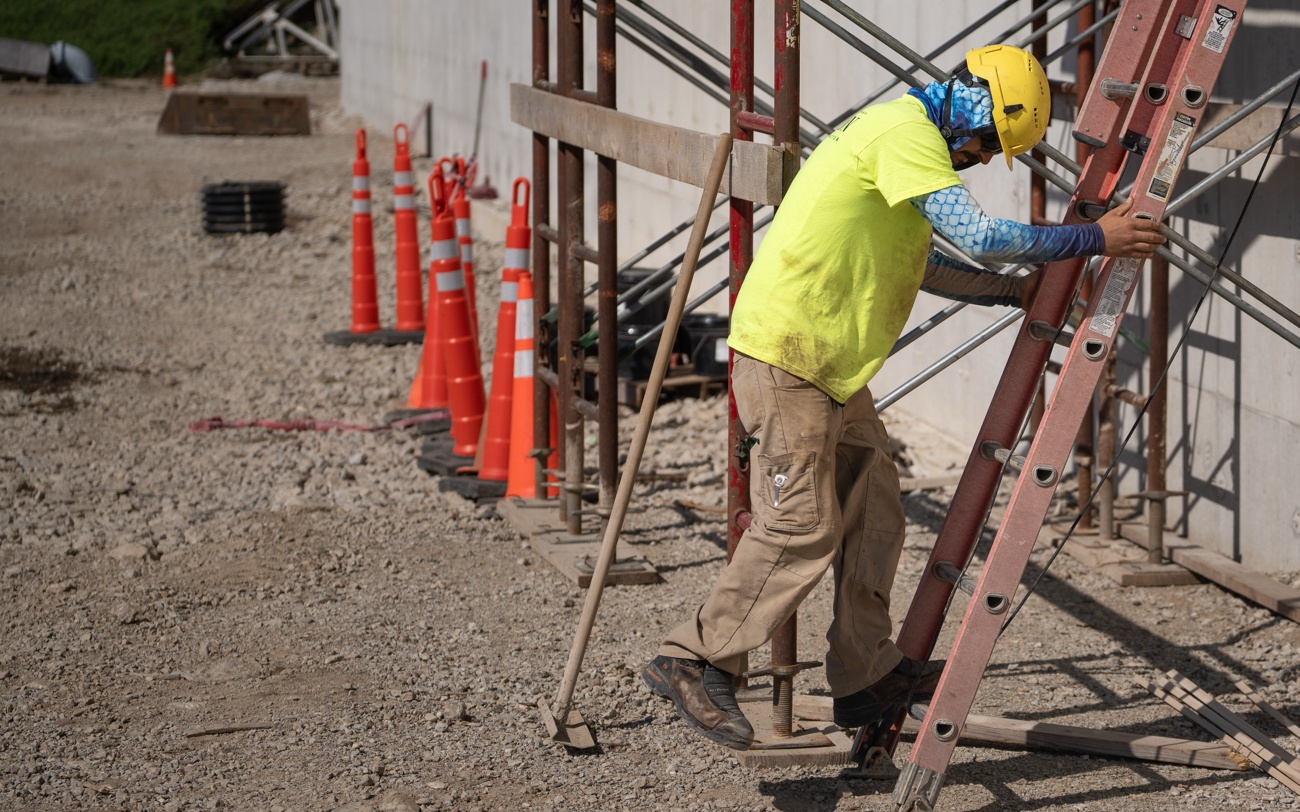
Experience matters because construction projects rarely move in a straight line. Materials, schedules, site conditions, permits, weather, and coordination between trades can all affect progress. An experienced general contractor knows how to plan for those realities before they become larger problems.
When reviewing a contractor, look at how long they have been in business, the types of projects they have completed, and whether their experience matches the scope of your project. A contractor that mainly handles small residential work may not be the right fit for a larger commercial, municipal, institutional, or industrial project.
Ask About Similar Projects
A contractor’s portfolio should show more than finished buildings. It should show range, consistency, and experience in environments like yours. If you are planning a commercial expansion, wastewater facility improvement, industrial renovation, or institutional project, ask whether the contractor has handled similar work.
The goal is not just to see if they can build. It is to see if they understand the project type, the pace, the coordination needs, and the level of communication required.
Look for Clear Project Management
General contracting is about management as much as construction. Your contractor should be able to coordinate subcontractors, communicate with stakeholders, watch the schedule, address site issues, and manage safety responsibilities throughout the project.
A reliable general contractor should be prepared to explain:
- Who will manage the project day to day
- How communication will be handled
- How schedule updates will be shared
- How safety responsibilities are managed
- How changes or unexpected issues will be addressed
- How subcontractors and vendors are coordinated
This matters because a construction project can quickly become stressful when there is no clear point of accountability. The right general contractor gives you a defined partner who can manage the construction phase, so you do not have to carry that burden on your own.
Make Sure Safety Is Treated as a Responsibility
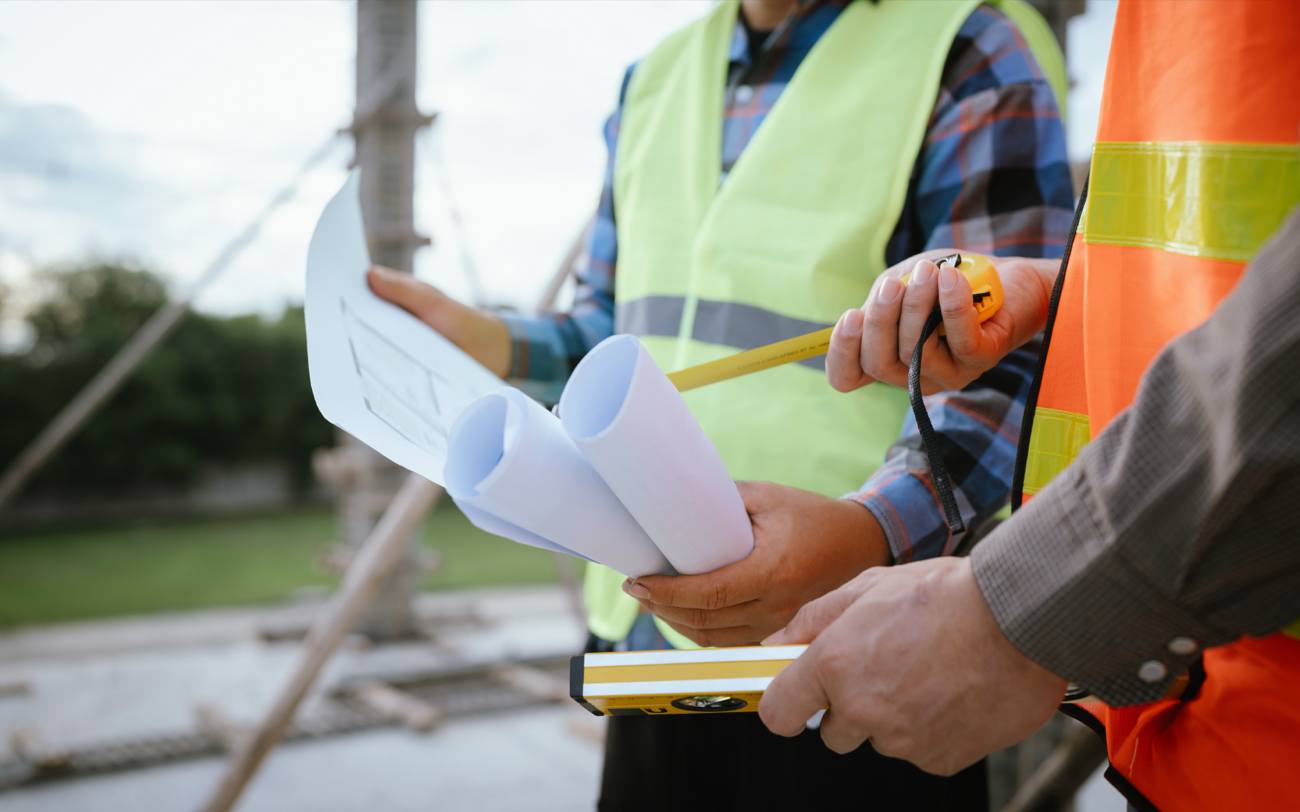
Safety should never be treated as a side note. A well-managed job site protects workers, visitors, clients, subcontractors, and the surrounding community. It also helps reduce delays, confusion, and avoidable risk during construction.
When choosing a general contractor, ask how they approach jobsite safety:
- Do they plan for it before work begins?
- Do they communicate expectations clearly?
- Do they manage site conditions throughout the project?
- Do they understand the safety responsibilities that come with acting as the general contractor?
A contractor that takes safety seriously is also more likely to take planning, communication, and accountability seriously.
Choose a Contractor Who Communicates Well
Poor communication is one of the most common causes of frustration during construction. Even when the work itself is strong, a lack of updates can make the project feel uncertain.
The right contractor should keep you informed without making you chase answers. You should know who to contact, what stage the project is in, what decisions are needed from you, and whether anything has changed with the schedule or scope.
Communication Should Feel Consistent
Good communication is not just about being available when something goes wrong. It is about creating a process that keeps everyone aligned throughout the project.
Before hiring a contractor, pay attention to how they communicate during the early stages:
- Are they responsive?
- Do they explain things clearly?
- Do they ask thoughtful questions?
- Do they seem organized?
The way a contractor communicates before the project starts often reflects how they will communicate once work is underway.
Evaluate Their Local Reputation
For projects in Northeast Indiana, local experience can make a meaningful difference. A general contractor familiar with the area may better understand local building requirements, subcontractor networks, weather patterns, permitting needs, and project expectations.
Local reputation also matters. A contractor with deep roots in the community has a greater responsibility to stand behind their work. We were founded in Wells County in 1947 and have grown from a local construction company into a first-tier general contractor serving public and private clients. That history reflects more than years in business. It reflects relationships, trust, and long-term commitment to the region.
Review Their Values, Not Just Their Bid
Cost is always part of the decision, but the lowest bid is not always the best choice. A construction project is a major investment, and a poor fit can lead to delays, change orders, quality concerns, or communication issues that cost more over time.
Before making your decision, consider whether the contractor’s values match the way you want the project handled.
Look for a team that shows:
- Integrity in how they communicate and price the work
- Accountability for managing the project
- Flexibility when conditions change
- Attention to detail during planning and construction
- Respect for your goals, timeline, and budget
A strong general contractor should make the construction phase feel more organized, not more overwhelming.
Know What Kind of Partner You Need
Every project has its own priorities. Some require careful coordination around an active facility. Others need strict scheduling, public access planning, design input, phased construction, or close coordination with multiple stakeholders.
Before choosing a contractor, define what matters most for your project:
- Is schedule the main concern?
- Is safety critical because work will happen near employees, students, or the public?
- Are you working within a fixed budget?
- Do you need help managing several moving parts?
Once you understand your priorities, you can choose a contractor based on fit, not just availability.
Building With the Right Team Changes the Whole Project
The right general contractor gives your project a stronger foundation before construction begins. They bring experience, planning, communication, safety management, and accountability together so the work can move forward with confidence.
For more than 75 years, we have helped clients across Northeast Indiana bring construction projects to life with integrity, quality service, and a team centered approach. Whether your project is industrial, commercial, municipal, or institutional, choosing the right partner can make the process clearer from the first conversation to the final walkthrough.
Start your project with us today.